









































































 News Application Cases When choosing a color illuminance meter, don't be dazzled by the specifications!
  Release time:2026-09-28
With the explosive growth of applications such as LED lighting, classroom eye-protection lamps, and smart streetlights, color illuminance meters (also called spectral illuminance meters) have become an essential tool for quality control and acceptance. However, with a wide variety of devices on the market, looking only at price or "lux numbers" can easily lead you into pitfalls. Today, from the four perspectives of test functions, technical specifications, metrological requirements, and user experience, we will help you avoid the most hidden pitfalls.
Pitfall 1: Only measuring "illuminance" without understanding how to look at "color".
Many users think a color illuminance meter is just for measuring brightness and color temperature. But LED light sources vary greatly in spectrum—even at the same 1000lx, the lighting effect of a color rendering index Ra=80 and Ra=95 can be worlds apart.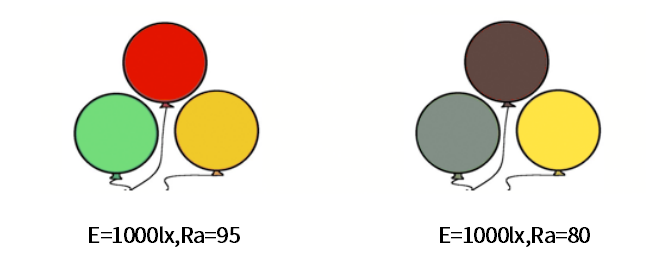
Traditional color illuminance meters generally suffer from detector mismatch errors, which affect the measurement accuracy of illuminance and color. The average human eye is sensitive to yellow-green light and insensitive to red and blue light; however, cheap probes often "favor" infrared or ultraviolet, causing falsely high illuminance readings when measuring LEDs. In museum, operating room, and classroom lighting renovations, this can directly lead to project acceptance failure.
If you need to evaluate lighting quality, an ordinary color illuminance meter is no longer sufficient—you should choose a spectral color illuminance meter. It uses spectral measurement to completely eliminate detector mismatch errors and can simultaneously obtain key colorimetric indicators such as spectral distribution and color rendering index. A spectral color illuminance meter solves both the "bright or not" and "good or not" problems in one device.
Pitfall 2: Exploiting industry loopholes and inflating accuracy specifications.
Many instruments come with a "certificate of conformity" from the factory, but when sent to a third-party metrology institute, they fail calibration due to poor linearity and severe temperature drift, with errors exceeding 10% or even more under strong or weak light.
A professional color illuminance meter must comply with the national JJG standard, and its measured values must be traceable to national primary standards. Especially in low-illuminance measurements (such as nighttime road lighting, where the minimum illuminance can reach 2 lx), weak-light performance is a hard threshold.
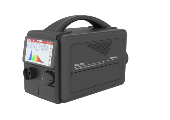
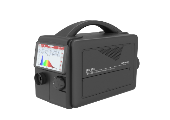
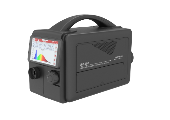
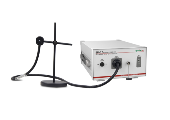
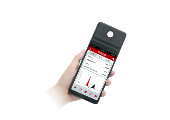
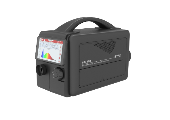
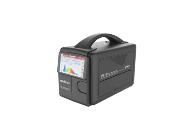
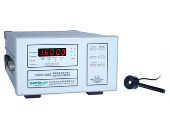
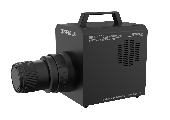
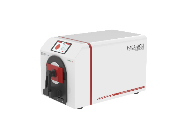
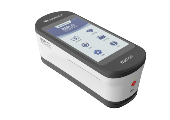
If your work only requires "checking whether it's bright or not," a hundred-yuan-level color illuminance meter is barely usable. But if it involves product quality inspection, project acceptance, or healthy lighting evaluation, those hidden pitfalls will cost you dearly. A good color illuminance meter (also called a spectral color illuminance meter), such as the SPIC-500 series spectral illuminance meter, can meet the measurement requirements of a wide dynamic range from 0.01 lx to 100 klx, better satisfying the demands of professional on-site measurement.
Pitfall 3: Only looking at "accuracy" while ignoring "angular response".
Many people find that when the instrument is tilted even slightly, the reading drops sharply. This is not entirely a problem with the light source, but rather because the instrument's cosine response characteristic does not meet standard requirements.
A professional color illuminance meter must have a built-in cosine corrector to compensate for deviations at different angles of incidence. Cheap devices often omit this or have poor cosine correction, resulting in severely low measurement results in non-perpendicular incidence scenarios such as near windows or in corners.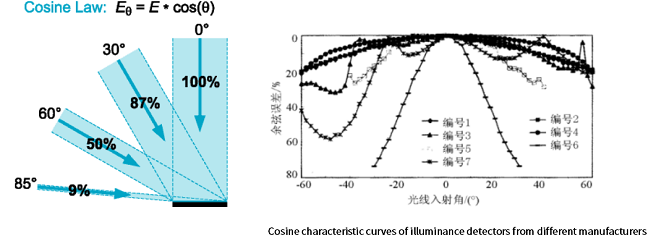
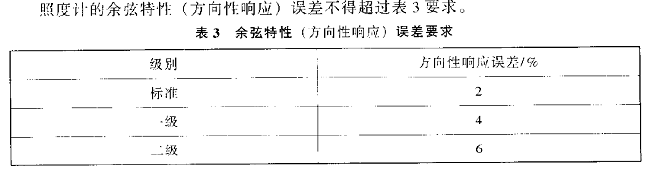
According to the relevant national standards, the cosine characteristic error of a professional illuminance meter (referring to the JJG standard) shall meet the following requirements:
Pitfall 4: User experience—the "hidden killer" most easily overlooked.
Many color illuminance meters on the market are still limited by traditional integrated designs and cannot flexibly handle multi-angle measurements. Engineers often have to twist their bodies to accommodate the instrument, making data collection in corners or narrow spaces extremely inconvenient. Not only is it difficult to read, but hand shaking can easily cause data errors.
At the same time, many devices suffer from "battery anxiety," "storage islands," and reliance on limited transmission. When facing all-day outdoor inspections, testing on site has to be interrupted frequently, and data must be manually and tediously exported.
This "bulky and disconnected" experience seriously drags down testing efficiency, turning what should be an intelligent testing tool into a burden.
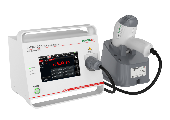
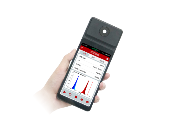
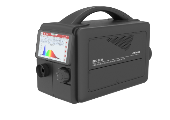
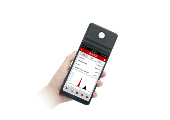
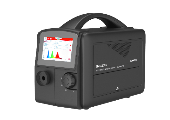
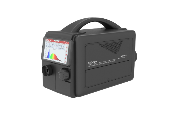
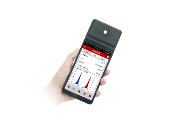
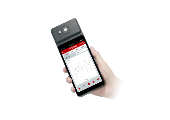
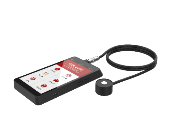
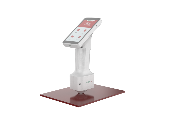
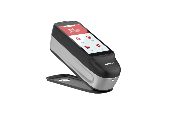
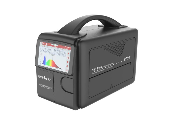
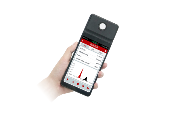
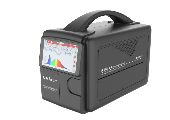
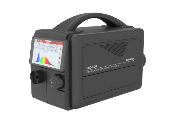
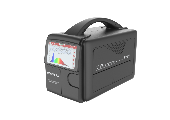
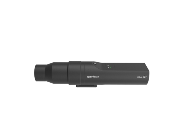
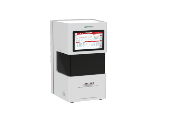
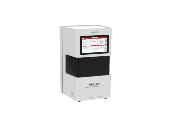
To avoid the above four hidden pitfalls, a truly professional spectral color illuminance meter is key. The Hangzhou EVERFINE SPIC series spectral color illuminance meter was born precisely to address these pain points:
- Precise color measurement by spectral method: Adopting multiple patented technologies and using the spectral method to measure light and color parameters, completely eliminating V(λ) mismatch error. Illuminance, color temperature, color rendering index, color tolerance, and more can be measured simultaneously with one click;
- Wide measurement range and high traceable accuracy: Measurement range as wide as 0.01 lx to 100 klx, with NIM-traceable calibration certificates, and accuracy that can withstand third-party metrological verification;
- Precision cosine correction: Built-in professional-grade cosine corrector and stray light suppression technology, ensuring data remains reliable under oblique incidence scenarios. Built-in position sensing function enables measurement of light and color parameters at different angles and positions;
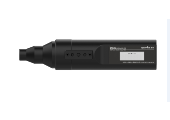
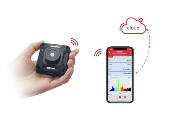
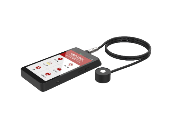
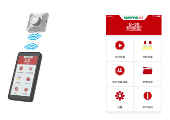
- Humanized and efficient experience: The probe and main unit can be used as an integrated unit or wirelessly separated. The probe can sample flexibly at multiple angles and in multiple situations. Large-screen instant reading and measurement technology, ≥10 hours of ultra-long battery life, 6GB large storage, and WiFi/Bluetooth wireless connectivity eliminate the "bulky and disconnected" experience, making on-site measurement calm and efficient.
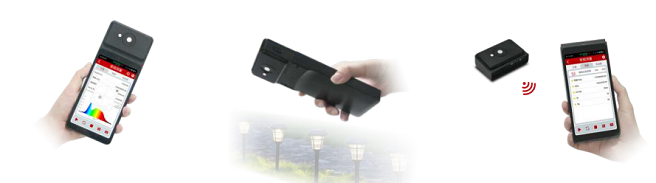
Whether it is classroom eye-protection lighting acceptance, LED product quality inspection, or outdoor road lighting testing, the EVERFINE SPIC series uses patented technology to safeguard data credibility, making every measurement precise and worry-free.
 Return Lists







 Everfine official account
